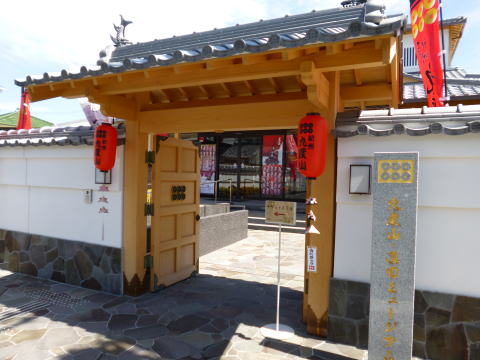
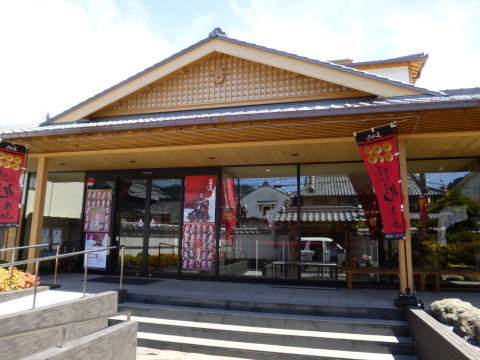
The Kudoyama Sanada Museum
The Kudoyama Sanada Museum is located in the town of Kudoyama, Wakayama
Prefecture.
It opened in March 2016 with the aim of
passing down the story of three generations of the Sanada family—Masayuki,
Yukimura (Nobushige), and Daisuke—to future generations.
Sanada Masayuki (1547–1611) was a warlord
known for surviving the Warring States period by employing brilliant strategy
while based at Ueda Castle in Shinano Province, despite being surrounded by the
powerful Uesugi, Tokugawa, and Hojo clans.
Although he defeated the massive Tokugawa
army twice, he sided with the Western Army during the Battle of Sekigahara;
consequently, he was exiled to Rengejoin Temple on Mount Koya and spent the
remainder of his life in Kudoyama.
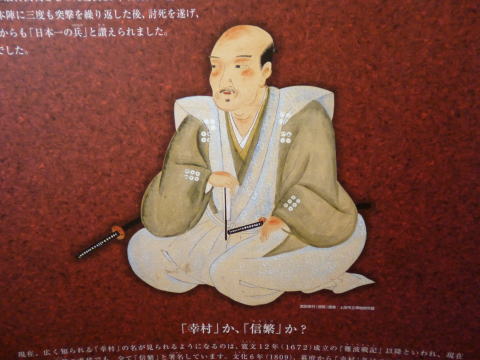
Sanada Yukimura (1567–1615), the second son
of Masayuki, spent time as a hostage of the Uesugi and Toyotomi clans.
Following the Battle of Sekigahara, he was placed under house arrest alongside
his father and lived in Kudoyama for 14 years.
He distinguished himself during the Winter Siege
of Osaka (1614) by constructing the "Sanada-maru" fortification, but
met a heroic end during the Summer Siege of Osaka (1615). He came within a
hair's breadth of cornering Tokugawa Ieyasu and was acclaimed as "Japan's
greatest warrior."
Sanada Daisuke (1603–1615) was born in
Kudoyama; he fought alongside Yukimura in the Summer Siege of Osaka and
committed *seppuku* (ritual suicide) with Toyotomi Hideyori at Osaka Castle.
The museum introduces the three generations
of the Sanada family's life of patient endurance in Kudoyama, while also
presenting their time in Ueda, the Siege of Osaka, and Sanada legends through
panels and video displays.
Additionally, an exhibition dedicated to
the NHK historical drama *Sanada-maru* (broadcast in 2016) was held at the
site.
It is a 10-minute walk from Kudoyama
Station on the Nankai Koya Line. Parking is available at the "Kaki-no-Sato
Kudoyama" roadside station.